Intentional Imperfection Is Quietly Transforming Brand Design
Date:
Author:
Anastasia Salazar

The aesthetic language of the past decade — call it sterile minimalism, or Silicon Valley clean — has been so thoroughly adopted that it no longer communicates much. At Salazar Studio, we honor craft and identity, and we've been excitedly watching a counter-movement take hold: brands reaching for something older and stranger.
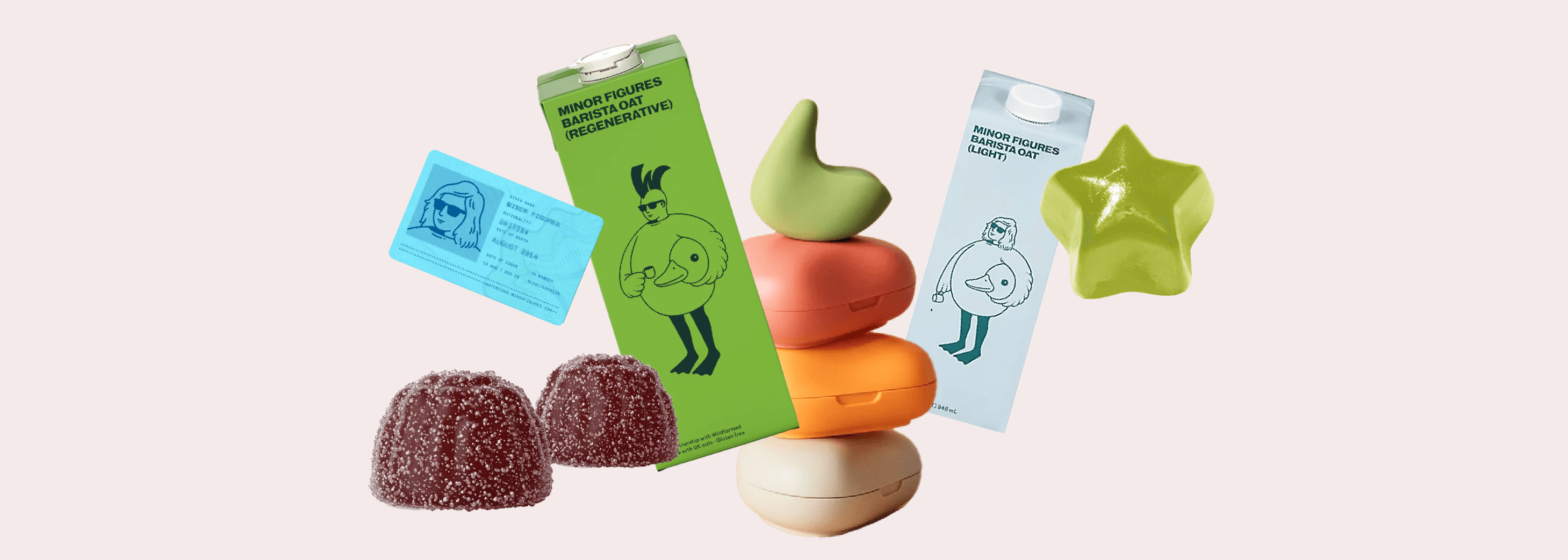
The wobble of a hand-stamped logo. The visible pressure of a pencil on paper. A typeface that looks like it was composed at 2 a.m. in a print shop that smells like ink. Intentional imperfection in brand design, deliberately summoned.
This is not nostalgia. It is a response — and it is worth understanding why it works.
The Sterility Problem in Modern Branding
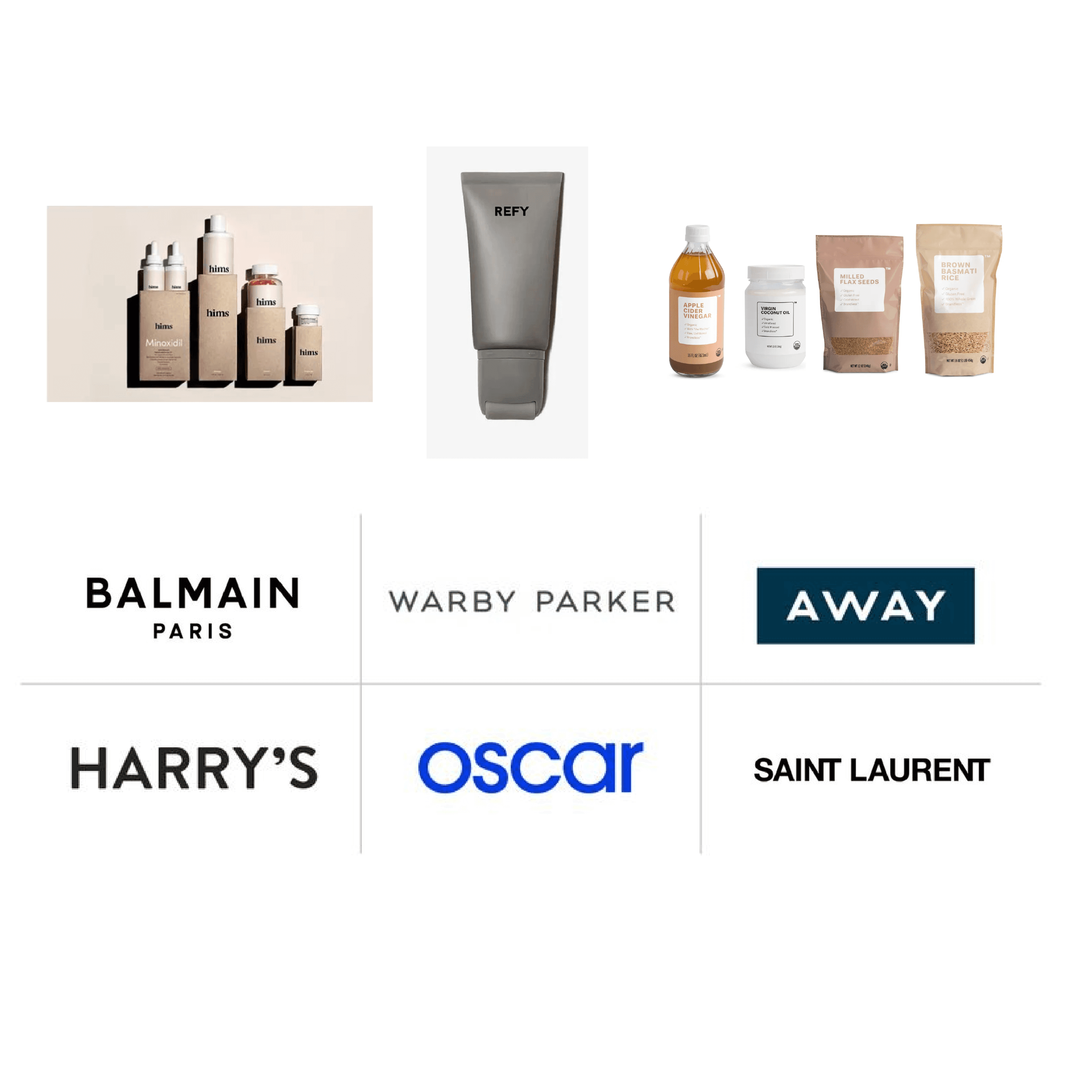
Minimalism arrived as a promise: strip away the noise, and what remains is essence. For a while, it delivered. The early adopters — Apple, Muji, Airbnb — used restraint as a genuine signal of confidence. They had something to say and didn't need decoration to say it.
But when every brand speaks in the same clean whisper, the whisper becomes white noise.
Digital tools have made perfection cheap and the cost of polish collapsed — which meant polish stopped signifying effort and care, and started giving template. Modern consumers have a highly calibrated sense for when they're being processed rather than spoken to. Authenticity isn't a brand value you can claim; it's a residue left by things that are genuinely made.
The Tactile Turn in Brand Identity Design
The designers we most admire right now are reaching backward — to risograph printing, to woodblock lettering, to the deliberate grain of analogue photography. These are not pure aesthetic choices. They are choices about what physical making communicates: labor, intention, the presence of a human being.
A hand-drawn wordmark carries micro-information that a perfectly constructed one doesn't. The slight unevenness in the stroke. The way one letterform leans slightly into the next. These are traces — evidence that a person was here, caring about this. It's the kind of brand identity design that can't be faked with a filter.
Why Imperfect Branding Signals Trust
The imperfections are proof. Proof that the thing exists in the physical world. Proof that a real person touched it.
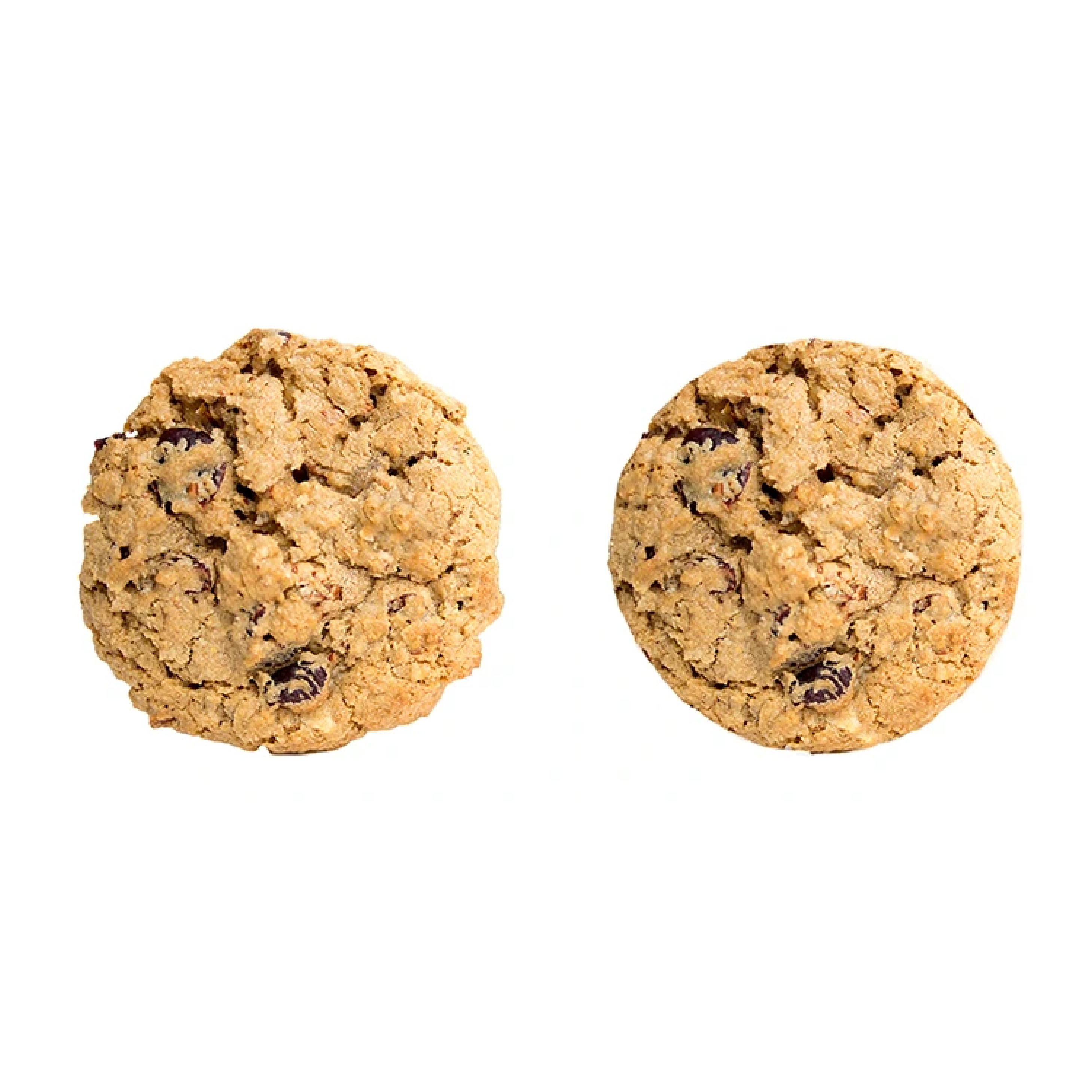
Despite what we’re led to believe, humans are naturally drawn to imperfection. This idea is backed by the Pratfall Effect, a psychological phenomenon that suggests people and products become more likable when they display small, harmless flaws.
A famous experiment put this to the test: participants were given two cookies—one perfectly smooth, the other slightly rough and uneven. 66% chose the “imperfect” cookie, instinctively associating it with something more homemade, more real.
The goal isn't to look imperfect. It's to be imperfect — to let the actual marks of making show through. That means starting analog and digitising, not starting digital and degrading. It means commissioning real hand-lettering, not buying a font that looks like hand-lettering. It means accepting that some things will come out differently each time, and designing brand identity systems that accommodate that variation rather than ironing it out.
Brands can do this by making their process visible — not just the output. Sharing work-in-progress sketches, printing collateral on different paper stocks so each run is its own artifact, designing packaging that looks slightly different in each colourway. The brand becomes an ongoing thing rather than a locked file.
What's Coming Next in Imperfect Branding
We expect the appetite for tactile, analog-influenced brand design to deepen over the next few years — not as a uniform trend, but as a widening permission. Brands that have been afraid to show their edges will start to. Typography will get stranger and more specific. Print will make more assertive claims on the attention that digital has colonized.
The brands that will matter are the ones being made by people who care about making — and who trust their audiences enough to show it. Intentional imperfection in brand design isn't a trend to chase. It's a philosophy of making that has always produced work worth keeping.
How to Embrace Imperfect Branding


Ready to bring intentional imperfection into your brand identity? Here’s where to start.
Handmade Elements. Illustrations, typography, and textures that showcase the unique qualities of human creation. The mark of a hand is the mark of a maker. Mailchimp’s brand illustrations do a good job of this.
Organic Textures. Rough, uneven, and natural materials that add depth and visual interest. Think exposed brick, weathered wood, and hand-spun textiles — surfaces that carry their own history. Aesop’s imperfection is quiet, almost meditative. Step into one of their stores, and nothing is standardized. Uneven walls, rough textures, natural irregularities. No two spaces are the same. In a world of glossy sameness, Aesop creates environments that feel alive, tactile, and rooted.
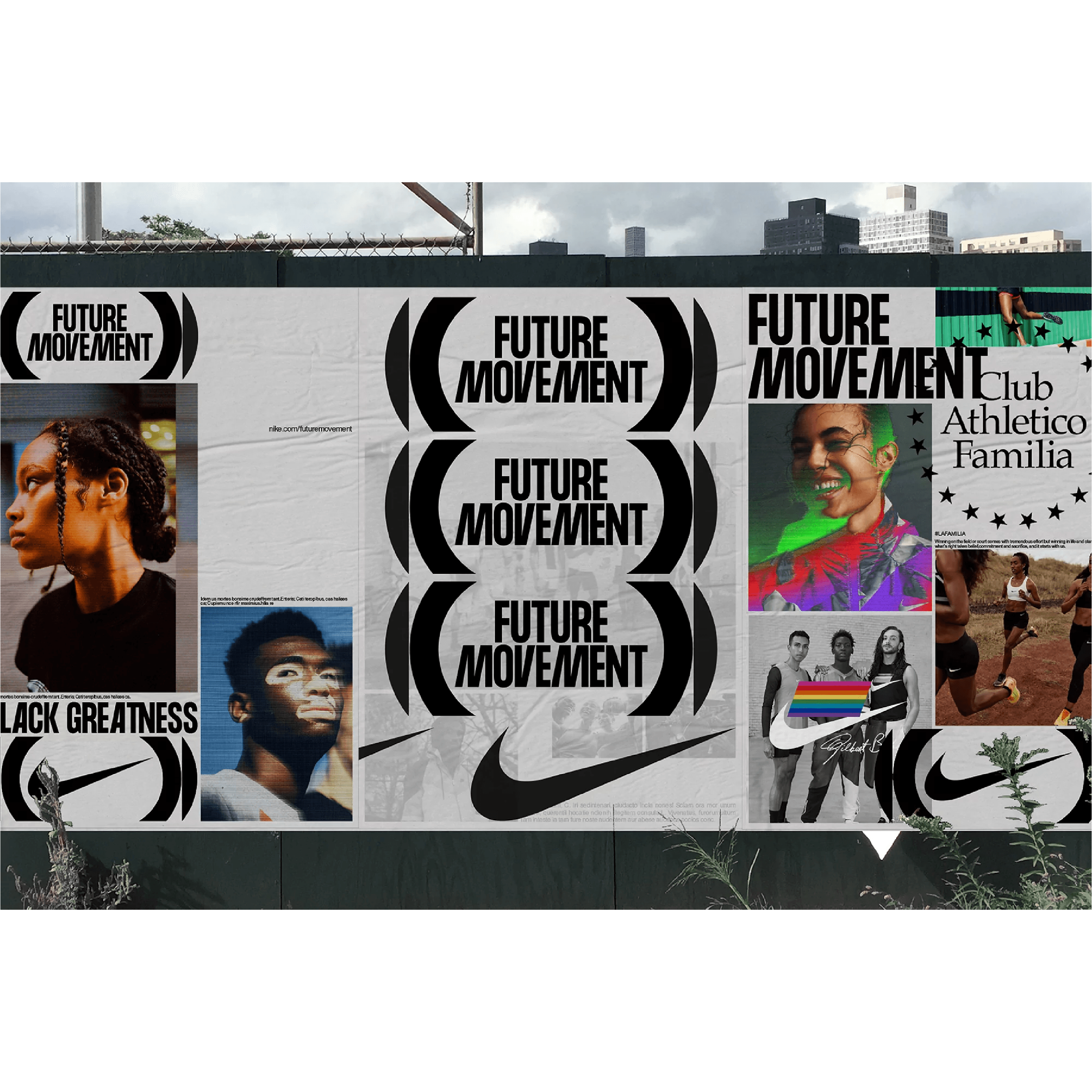
Asymmetry & Imbalance. Intentional misalignment and unexpected compositions that create a sense of dynamism and spontaneity. Perfect grids are easy; interesting tension is harder. See Nike.
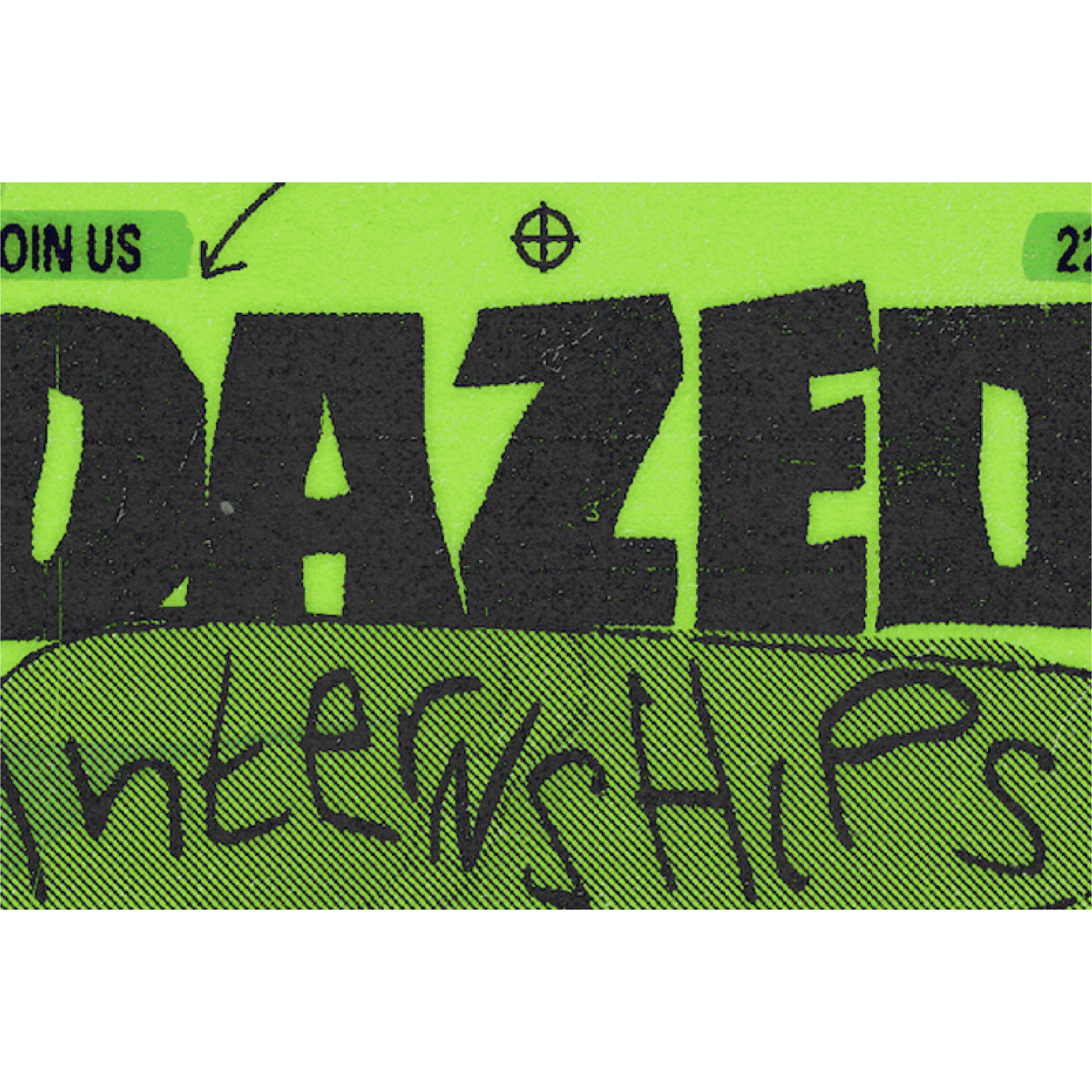
Glitch Effects & Distortions. Mimicking digital errors and imperfections to add a touch of chaos and unpredictability — a reminder that even technology has seams. See Dazed Media.
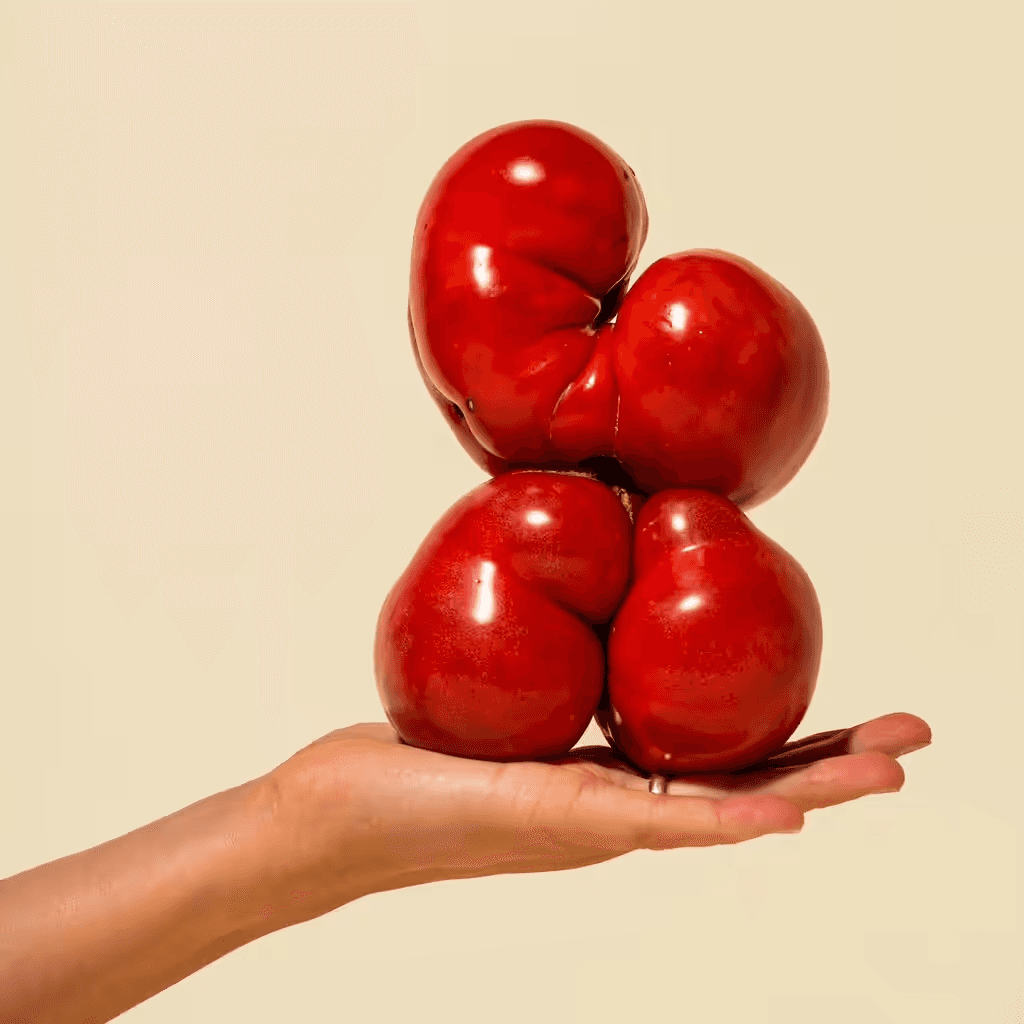
Visible Imperfections. Scratches, smudges, cracks, and other marks of wear and tear that tell a story. These aren’t flaws to hide — they’re evidence of a life lived. We’d be amiss if we didn’t mention Imperfect Food here.
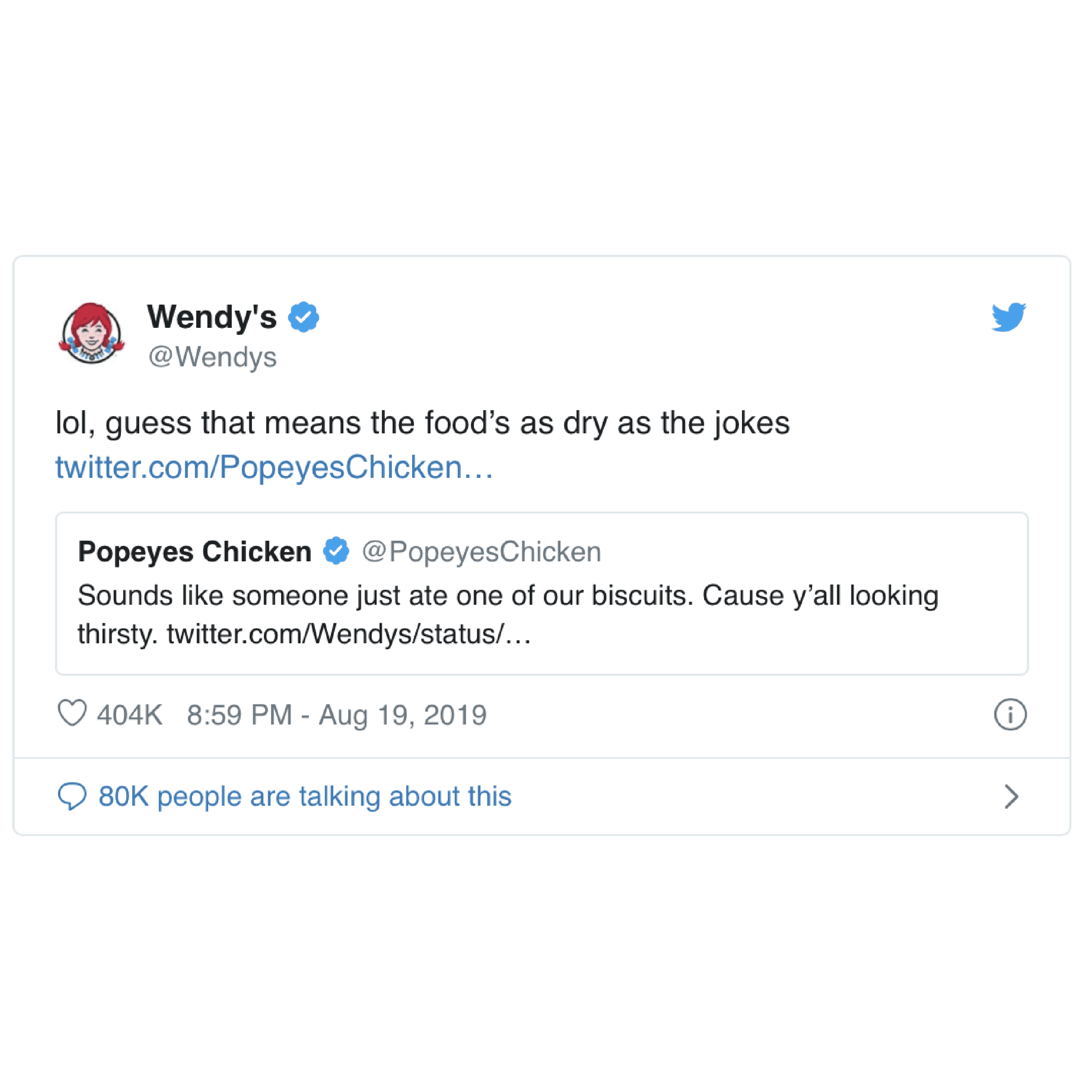
Unfiltered messaging. Imperfection doesn’t stop at the visual identity — it extends into how a brand speaks. Wendy’s social media is the clearest example: blunt, funny, willing to argue back. The lesson isn’t to be rude — it’s that dropping the corporate veneer. If the visual says “a person made this,” the words should say it too.
A few principles to keep in mind as you work:
Maintain functionality. Usability should never be compromised. A beautiful mark that nobody can read is still a failed mark.
Align with brand values. Imperfection should be consistent with the brand’s overall message. Think Vans — the roughness is inseparable from what the brand stands for.
Avoid overdoing it. Subtlety is often the point.
Sign up for our newsletter for more articles like this one.
Salazar is a creative studio specializing in branding and web design for health and wellness. Reach out to learn more.